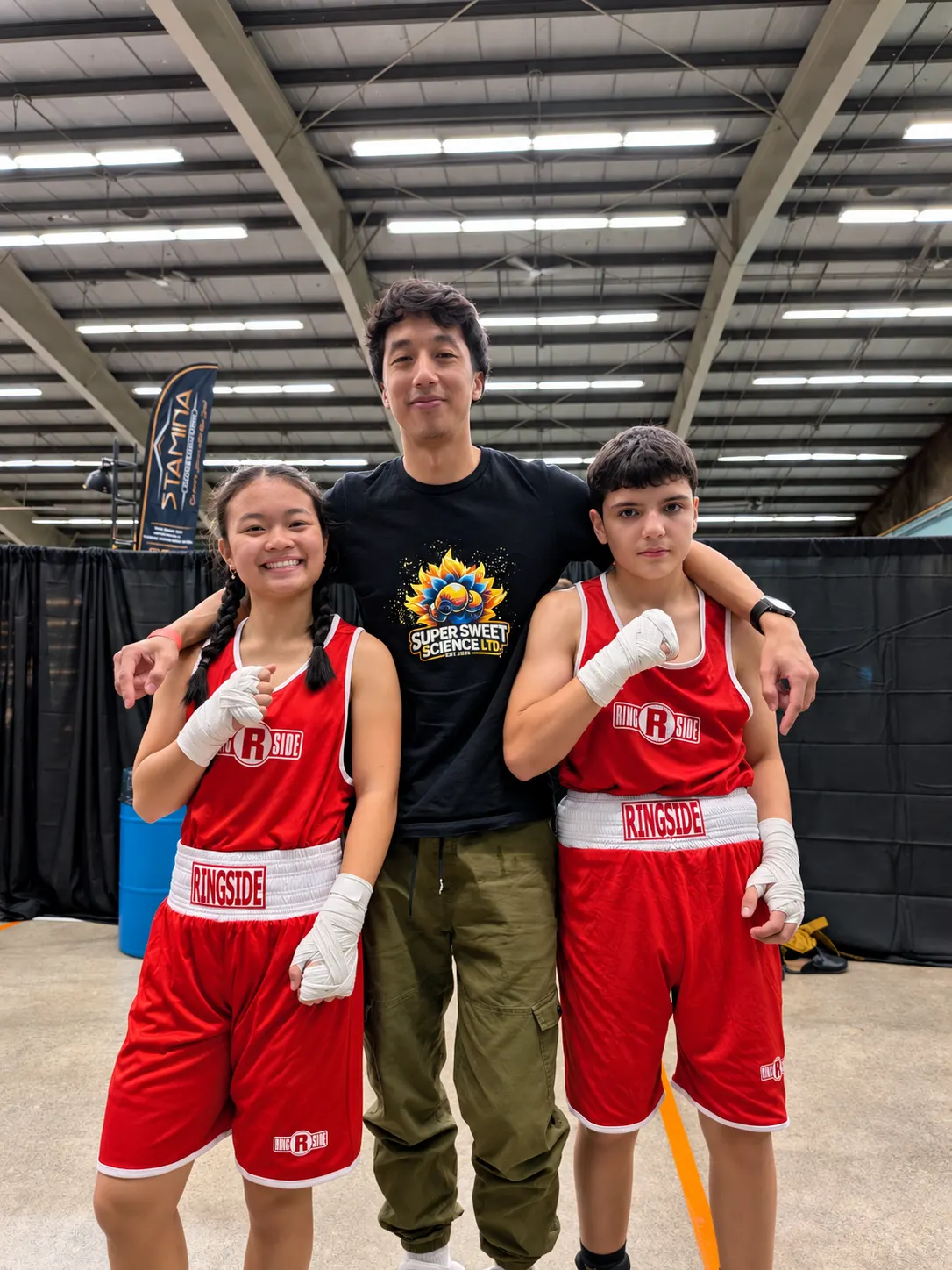
You can train hard, spar often, and perfect your technique—but without proper nutrition, your performance will plateau. Boxing is one of the most demanding sports on the body, requiring energy, endurance, strength, and fast recovery .
This guide breaks down a simple, effective boxing nutrition plan to fuel training, improve performance, and recover faster—without overcomplicating things.
Why Nutrition Matters in Boxing
Boxing places stress on:
- Muscles
- Nervous system
- Joints and connective tissue
- Cardiovascular system
Without the right fuel, you’ll experience:
- Early fatigue
- Slower recovery
- Decreased power and focus
- Higher injury risk
Good nutrition supports output in the gym and adaptation afterward .

Core Nutrition Principles for Boxers
Before macros and meal timing, focus on fundamentals.
1. Eat for Performance, Not Just Calories
Boxers need quality fuel , not junk calories.
2. Prioritize Recovery
Training breaks the body down—nutrition rebuilds it.
3. Stay Consistent
Daily habits matter more than “perfect” meals.
Macronutrients for Boxers
Protein: Muscle Repair and Recovery
Why it matters:
Protein repairs muscle damage and supports strength and endurance.
How much:
- ~0.7–1.0 g per lb of bodyweight (or adjusted for size/activity)
-
Best Sources
- Eggs
- Chicken, turkey
- Fish
- Lean beef
- Greek yogurt
- Protein shakes (as needed)
-
Spread protein intake evenly throughout the day.
Carbohydrates: The Boxer’s Main Fuel
Why it matters:
Carbs fuel high-intensity training, sparring, and conditioning.
Best Sources
- Rice (white or brown)
- Potatoes and sweet potatoes
- Oats
- Fruit
- Whole grains (as tolerated)
-
Low-carb diets usually hurt boxing performance.
Fats: Hormones and Joint Health
Why it matters:
Fats support hormone production, inflammation control, and long-term energy.
Best Sources
- Avocados
- Olive oil
- Nuts and seeds
- Fatty fish
Avoid excessive processed fats.

Pre-Training Nutrition for Boxing
Goal
Provide energy without stomach discomfort.
2–3 Hours Before Training
- Lean protein
- Moderate carbs
- Low fat
-
Example
- Chicken + rice + vegetables
- Eggs + oats + fruit
-
30–60 Minutes Before Training (Optional)
- Fruit
- Small protein shake
- Electrolytes
-
Avoid heavy, greasy meals close to training.
Nutrition During Boxing Training
For sessions under 90 minutes, water is usually enough.
For longer or intense sessions:
- Add electrolytes
- Small carb source if needed (sports drink or fruit)
-
Hydration directly affects endurance and focus.
Post-Training Nutrition for Recovery
Goal
Refuel glycogen and repair muscle tissue.
Ideal Post-Training Meal (Within 1–2 Hours)
- Protein
- Carbohydrates
- Fluids
-
Example
- Rice + lean meat + vegetables
- Protein shake + fruit
- Yogurt + oats + honey
-
Don’t overthink timing—total daily intake matters most.
Daily Boxing Nutrition Template
Breakfast
- Eggs or yogurt
- Oats or fruit
- Healthy fats
-
Lunch
- Lean protein
- Rice or potatoes
- Vegetables
-
Pre-Training Snack
- Fruit or protein shake
-
Post-Training Dinner
- Protein
- Carbs
- Vegetables
-
Optional Evening Snack
- Greek yogurt or cottage cheese
-
Simple, repeatable meals work best.
Nutrition for Boxing Recovery and Injury Prevention
Focus On:
- Adequate protein intake
- Omega-3 fats
- Micronutrients from whole foods
- Proper hydration
-
Recovery improves sleep, mood, and consistency in training.
Supplements for Boxers (Optional, Not Mandatory)
Supplements should support , not replace, good nutrition.
Useful Options
- Protein powder (convenience)
- Creatine (strength and recovery)
- Electrolytes (hydration)
- Magnesium (muscle relaxation)
- Omega-3s (inflammation support)
-
Avoid relying on stimulants or fat burners.
Cutting Weight vs Fueling Performance
Many boxers under-eat to stay lean.
Common Mistake
- Chronic calorie restriction
- Low carbs
- Poor recovery
-
Better Approach
- Fuel training properly
- Adjust calories gradually if needed
- Avoid drastic cuts unless supervised
-
Performance should never be sacrificed unnecessarily.
Common Boxing Nutrition Mistakes
- Skipping meals
- Training fasted too often
- Under-eating carbs
- Overusing supplements
- Ignoring hydration
-
Consistency beats extreme diets.

How Long Before Nutrition Improves Performance?
With proper nutrition:
- 1–2 weeks: better energy and focus
- 3–4 weeks: improved recovery
- 6–8 weeks: noticeable performance gains
-
Nutrition compounds over time.
Final Thoughts: Eat Like a Boxer, Perform Like One
Boxing nutrition doesn’t need to be complicated.
Focus on:
- Enough protein
- Sufficient carbs
- Healthy fats
- Hydration
- Consistency
Fuel your training , recover properly, and your performance will reflect it.