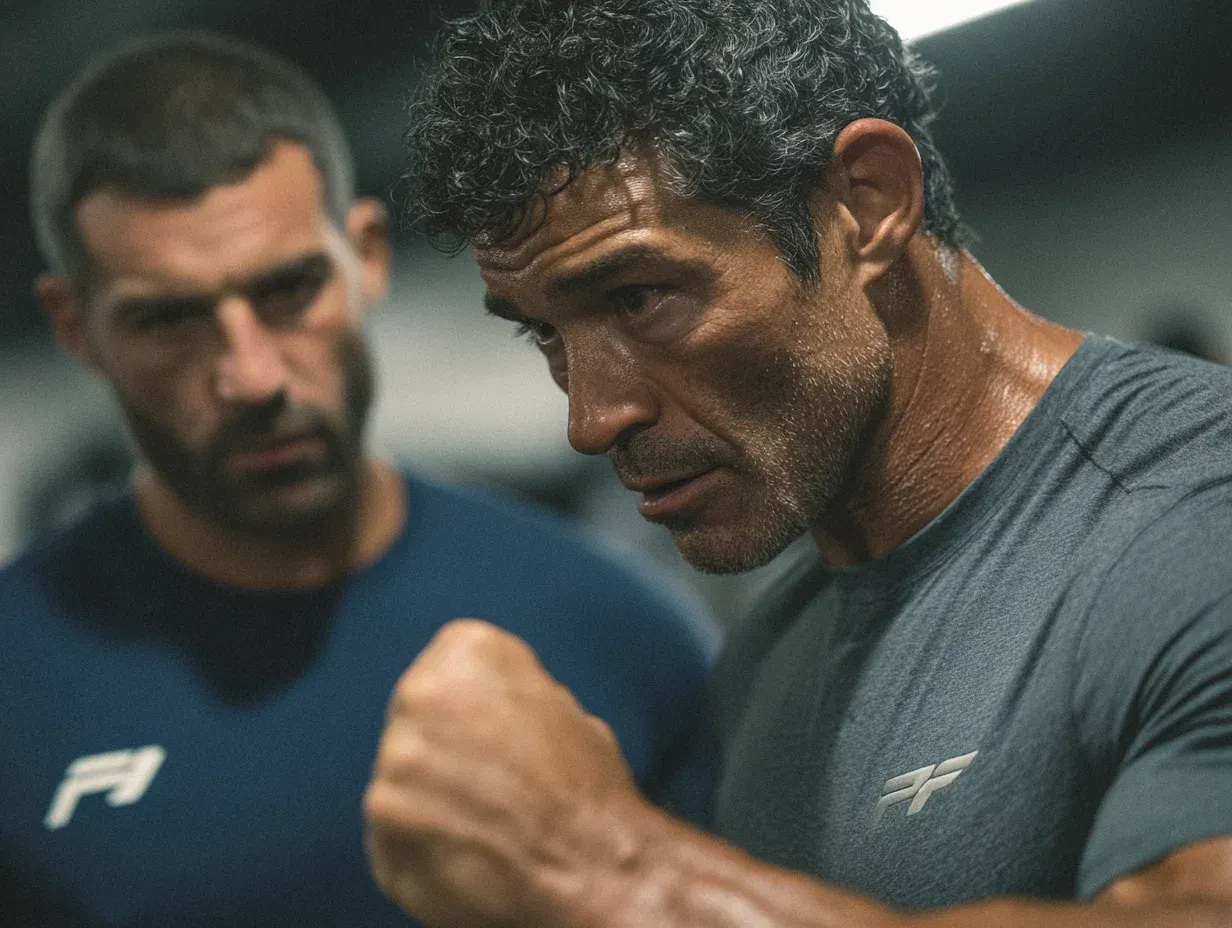
Skipping your warm-up or cool-down is one of the fastest ways to get injured, lose performance, and stall progress in boxing. Boxing places heavy stress on the shoulders, hips, knees, and nervous system—your body needs preparation before training and recovery afterward.
This guide covers effective warm-up and cool-down routines for boxing that improve performance, reduce injury risk, and speed up recovery.
Why Warm-Ups and Cool-Downs Matter in Boxing
Boxing is explosive and repetitive . Without proper preparation:
- Muscles are stiff
- Reaction time is slower
- Injury risk increases
- Technique suffers
-
Cooling down helps:
- Lower heart rate safely
- Reduce muscle soreness
- Improve recovery
- Maintain mobility
-
They are not optional—they’re part of training.
Goals of a Boxing Warm-Up
A good warm-up should:
- Increase blood flow
- Mobilize joints
- Activate key muscles
- Sharpen coordination
- Prepare the nervous system
-
Warm-ups should be progressive , not exhausting.

Boxing Warm-Up Routine (10–15 Minutes)
1. General Pulse Raiser (3–5 Minutes)
Get your heart rate up gradually.
Options
- Jump rope
- Light jogging
- Shadowboxing at 50%
- Jumping jacks
-
Focus on smooth movement, not intensity.
2. Joint Mobility and Activation (5–7 Minutes)
Boxing demands mobility in multiple joints.
Upper Body
- Arm circles (small to large)
- Shoulder rolls
- Wrist rotations
- Neck mobility (controlled)
-
Lower Body
- Hip circles
- Leg swings
- Ankle rotations
- Bodyweight squats
-
Move through comfortable ranges only.
3. Boxing-Specific Movement (5 Minutes)
Now prepare the exact movements you’ll use.
Drills
- Light shadowboxing
- Jab-only movement
- Footwork drills
- Defensive slips and rolls
-
Gradually increase speed and intent.
Optional Pre-Training Activation (2–3 Minutes)
For added joint protection:
- Resistance band pull-aparts
- Glute bridges
- Core activation (dead bugs, planks)
-
This is especially useful before sparring or heavy bag work.
Common Warm-Up Mistakes
-
- Rushing straight into hard rounds
- Skipping joint prep
- Static stretching before training
- Over-fatiguing muscles
-
Warm-ups should prepare, not tire you out .
Goals of a Boxing Cool-Down
Cooling down helps your body transition from stress to recovery.
Key goals:
- Lower heart rate gradually
- Reduce muscle tightness
- Improve circulation
- Support nervous system recovery
-
Boxing Cool-Down Routine (10–15 Minutes)
1. Gradual Heart Rate Reduction (3–5 Minutes)
Don’t stop abruptly.
Options
- Light shadowboxing
- Walking
- Slow jump rope
Breathe deeply and relax.

2. Static Stretching (5–8 Minutes)
Stretch muscles used most in boxing.
Upper Body
- Shoulders
- Chest
- Lats
- Forearms
- Neck (gentle)
-
Lower Body
- Hip flexors
- Hamstrings
- Calves
- Glutes
-
Hold each stretch 20–40 seconds.
3. Breathing and Relaxation (2–3 Minutes)
Boxing stresses the nervous system.
Breathing Drill
- Slow nasal breathing
- 4-second inhale
- 6–8 second exhale
-
This accelerates recovery and improves sleep quality.
Cool-Down Recovery Add-Ons (Optional)
-
- Foam rolling
- Light mobility work
- Contrast showers
- Hydration and electrolytes
-
Use these based on training intensity.
How Often Should You Warm Up and Cool Down?
Every session. No exceptions.
Even short training sessions benefit from:
- Short warm-up
- Brief cool-down
Consistency prevents injuries long-term.
Adjusting Routines for Different Training Days
Light Skill Days
- Shorter warm-up
- Focus on mobility
-
Heavy Bag or Sparring Days
- Longer warm-up
- Extra shoulder and hip prep
- Longer cool-down
Match preparation to intensity.

Common Cool-Down Mistakes
- Skipping stretching
- Sitting immediately after training
- Ignoring breathing
- Rushing recovery
Cool-downs are an investment in tomorrow’s training.
Final Thoughts: Prepare to Perform, Recover to Improve
Warm-ups and cool-downs aren’t optional extras—they’re performance tools.
By warming up properly, you:
- Move better
- React faster
- Reduce injury risk
By cooling down properly, you:
- Recover faster
- Stay consistent
- Train longer without setbacks
Treat preparation and recovery with the same respect as training itself.